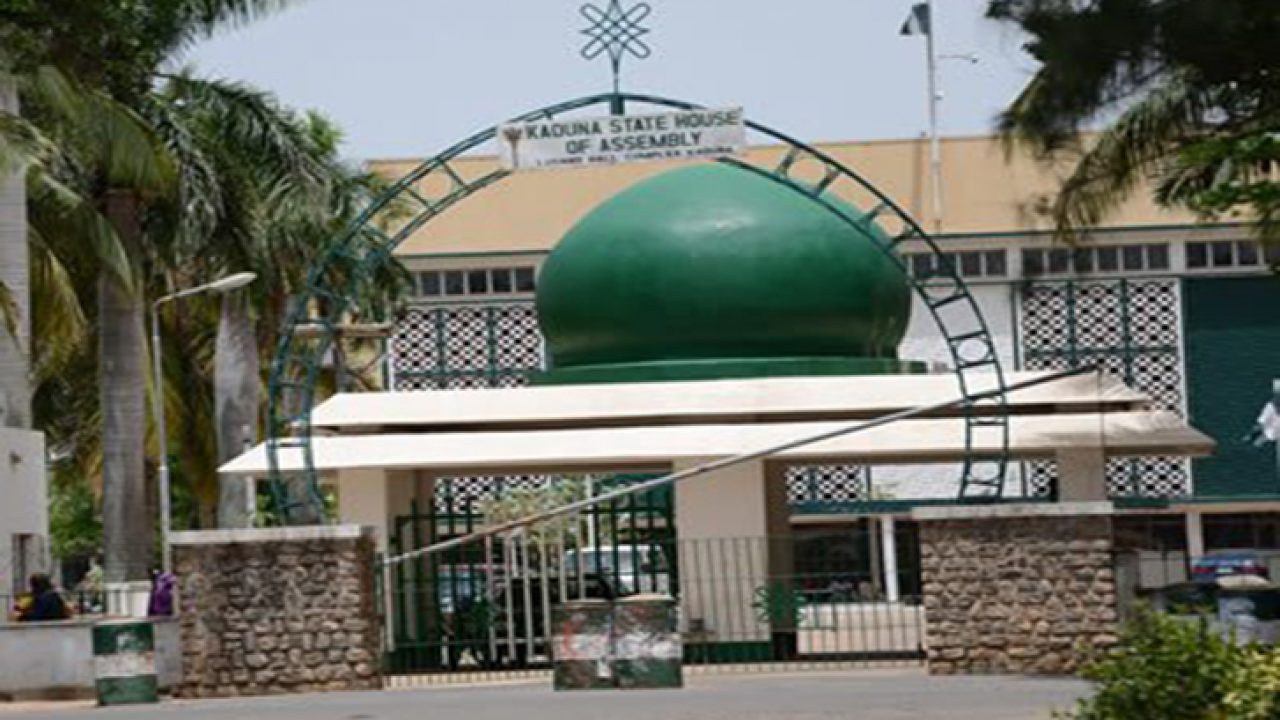

The Kano State House of Assembly has passed a bill seeking to amend the 1999 Constitution to enable states across Nigeria to establish and operate their own police forces.
The lawmakers also approved the Kano State Supplementary Appropriation and Amendment Bill, 2026, reducing the proposed expenditure from ₦1.478 trillion to approximately ₦1.211 trillion.
Both bills were passed during Tuesday’s plenary session chaired by the Speaker, Rt. Hon. Isma’il Falgore, after they were considered by the Committee of the Whole and passed at the third reading.
The constitutional amendment bill is aimed at creating a legal framework that would allow state governments to establish and manage their own police services.
During deliberations, the lawmakers considered all 26 clauses of the bill before giving it their approval.
The development comes amid increasing calls for the decentralisation of policing in Nigeria, as concerns grow over the country’s security challenges. Proponents of state police argue that it would strengthen the ability of state governments to respond more effectively to security threats.
The proposal is expected to form part of the wider constitutional review process aimed at restructuring Nigeria’s security system and enhancing the capacity of state governments to tackle insecurity.
Meanwhile, the Assembly approved a reduction in the 2026 supplementary budget presented by Governor Abba Kabir Yusuf.
The lawmakers cut the proposed expenditure from ₦1,477,829,666,130.71 to about ₦1.211 trillion, representing a reduction of approximately ₦266.61 billion.
The downward review followed the Assembly’s examination of the state’s supplementary financial requirements and proposed amendments to the 2026 appropriation framework.
In another development, the Assembly had earlier confirmed six commissioner nominees submitted by Governor Yusuf for appointment into the state executive council.
The confirmed nominees are Air Commodore Salisu Yusha’u (rtd.); Hon. Ibrahim Namadi; Professor Sani Lawan; Hon. Muktar Yakasai; Dr. Aminu Tsanyawa; and Hon. Idris Mustapha.